The best multilingual SEO tools for early-stage B2B SaaS teams are typically a coordinated stack rather than one universal platform: a translation or localization layer like Weglot or Lokalise, a keyword research and audit tool like Semrush or Ahrefs, and hreflang validators to check technical implementation. These tools tackle the distinct tasks of creating multilingual content, researching local search demand, and making sure search engines surface the correct language version to each market.
Multilingual SEO optimizes website content in multiple languages so search engines can serve the right version to users in different target markets. Multiregional SEO focuses on country or market targeting, which may involve the same language adapted for different regions.
The problems overlap but need different implementation patterns, especially for URL structures and hreflang attributes.
Translation tools create and manage multilingual content, while SEO platforms research demand and track performance across markets. A tool that automatically translates pages doesn't guarantee strong multilingual SEO. Search performance still depends on correct URL structure, hreflang implementation, unique content quality, and indexing control.
What Should a Budget-Conscious SaaS SEO Stack Do?
Before comparing individual platforms, a budget-conscious stack needs to handle four separate jobs: picking which markets are worth the effort, researching what people in those markets search for, implementing language and region targeting correctly, and confirming that each language version gets indexed and tracked. These are not the same task, and no single tool covers all four well.

Market selection also means separating multilingual from multiregional needs. If the goal is serving the same country in a second language, the setup is different from targeting a new country outright, since country-level targeting changes URL structure and hreflang requirements.
A tool that only translates strings will not resolve that distinction on its own.
Translation and localization are related but not identical either. Swapping words into another language does not automatically adjust search intent, metadata, or on-page phrasing to match how people in that market search.
A stack that only translates, without a way to research localized keywords, risks ranking for the wrong terms in the new language.
Because of this, evaluate categories separately rather than by feature count. An all-in-one suite like Semrush or Ahrefs should be judged on keyword and rank-tracking depth across markets.
A translation platform should be judged on localization workflow and team collaboration, not on SEO research capability. A hreflang validator should be judged on how reliably it catches implementation errors.
Consider a hypothetical early-stage SaaS team deciding whether to translate its pricing page into a second language before buying an enterprise platform. The practical evaluation framework here is language and market coverage, keyword database depth for that market, technical auditing support, and how much ongoing setup effort the team can realistically sustain.
A search for the best multilingual SEO tools should end in a short stack matched to that effort level, not a single purchase.
International Research Tools Reveal Where Content Can Win
Research and rank-tracking platforms help early-stage SaaS teams decide which languages and markets to prioritize before investing in translation and technical implementation. The tools below support localized keyword discovery, competitor visibility, and country-level performance measurement, functions that stay separate from hreflang setup and content publishing.
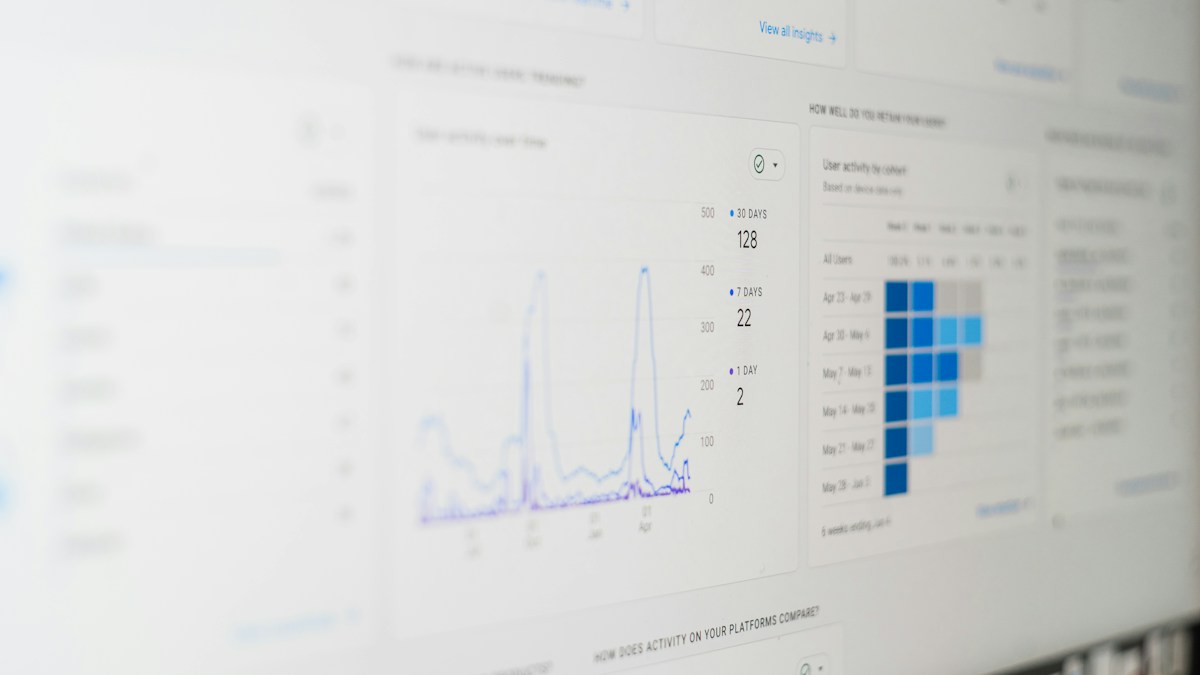
Semrush: Broad country coverage for demand comparison
Semrush supports international keyword research across multiple databases, helping teams compare search volume and competition by country. The platform works well for identifying which markets show demand before scaling content.
It does not implement hreflang or translate pages.
Ahrefs: Localized competitor analysis and rank tracking
Ahrefs is positioned for understanding what competitors rank for in specific countries and languages. Teams can track rankings by country, check backlink profiles across markets, and audit technical issues.
The platform remains a research tool; translation and URL structure require separate workflows.
Keyword Tool: Alternative wording discovery across languages
Keyword Tool helps uncover how local users phrase queries in their own language, a step that prevents teams from relying on direct translations of English keywords. The platform supports multiple languages and regions, though translated versions of a keyword may not reflect local search intent or commercially relevant phrasing.
Moz: Entry-level option with limited international databases
Moz offers keyword research and rank tracking, though with narrower country and language database coverage than Semrush or Ahrefs. Teams testing a small number of markets may find the platform sufficient but should assess country availability before subscribing.
These platforms answer which markets show demand, how local wording differs, and what competitors rank for. However, they do not replace hreflang validators or translation workflows.
A startup could use one research platform to prioritize topics, then connect its findings to a translation layer and technical QA process, recognizing that keyword and rank tools do not guarantee that search engines will select the intended language version.
Translation Platforms Move Fast
Translation platforms break into two groups: fast publishing tools that automatically generate language versions with SEO-friendly URLs, and team-based localization systems that handle product strings, app content, and editorial review workflows. Your choice hinges on whether you need to launch quickly with minimal oversight or support ongoing updates across multiple contributors and approval stages.

Weglot: Fast multilingual launch with SEO URL handling
Weglot works for teams that want to publish translated versions quickly while keeping search-oriented structure. The platform creates language-specific URLs and includes hreflang support in supported configurations.
It fits controlled launches where the original content is stable and the team doesn't need extensive cross-language review workflows.
Lokalise: Team localization for product copy and app strings
Lokalise works better for operations that go beyond marketing pages. Teams managing application strings, in-product content, and cross-functional localization work use the platform for translation memory, contributor permissions, and approval stages.
The workflow becomes more valuable when product releases need coordinated language updates rather than one-time publishing.
Phrase: Localization Management with Editorial Collaboration
Phrase supports translation operations that involve multiple reviewers, including version control and recurring editorial tasks. The platform is built for teams that need ongoing management of localized content across product copy, documentation, and marketing materials.
It addresses the same operational needs as Lokalise but offers different workflow features.
A translation platform alone doesn't settle keyword selection, hreflang reciprocity, canonical conflicts, or rank monitoring. Search-focused localization requires verifying that metadata, slugs, internal links, and sitemaps match the local intent discovered through separate keyword research.
Teams still need to check that search engines surface the correct language version and that translated pages don't compete with each other for the same query.
Pro tip: Use automated translation to launch quickly, then review and edit for local search intent. Machine output handles structure, but local keyword patterns and user expectations call for manual adjustment.
Budget fit depends on site scale and update frequency. A small site with static content benefits from a fast translation tool with fixed pricing.
An early-stage SaaS team releasing updates regularly needs a localization platform that supports contributor workflows and version tracking. Agencies managing multiple clients may prefer per-project translation services over platform subscriptions.
Technical Crawlers Catch the Multilingual Errors Dashboards Miss
Technical validation tools check the indexing signals that translation platforms and keyword dashboards don't inspect, including reciprocal hreflang annotations, language codes, canonical alignment, redirects, and whether search engines can discover each version. According to source-referenced guidance, the main technical QA resources are Screaming Frog, hreflang validators or generators, and Google Search Console, which check reciprocity, language codes, canonicals, and implementation errors.
Teams typically run these checks after publishing multilingual pages to confirm that search engines can surface the right language version.
Screaming Frog: Crawl-Based Audit for URL Structure and Hreflang Reciprocity
Screaming Frog crawls the site to uncover missing hreflang return links, canonicals that point across language versions without clear rationale, and pages excluded from indexing. The tool shows structural problems like one-way annotations and redirect chains that break alternate-language signals.
Hreflang Validators and Generators: Quick Checks for Code Accuracy
Browser extensions and standalone validators check that language and region codes match the page content and that each annotation has a reciprocal reference. These tools catch common failures like language codes that don't align with the actual page, missing return links, and invalid regional variants.
They help when testing a representative set before crawling the full site.
Google Search Console: Indexation and Duplicate-Content Signals
Search Console shows which language versions Google indexed, any duplicate-content warnings, and whether sitemaps include all versions. The platform doesn't validate hreflang syntax directly but reveals when search engines treat alternate versions as duplicates or exclude them from indexing.
These tools differ from keyword platforms and translation workflows because they check discoverability rather than content or demand. A startup should validate templates before scaling: crawl after publishing and review Search Console signals regularly.
Technical QA should work as a release gate for multilingual templates rather than a one-time cleanup.
Which Stack Wins for Agencies, SaaS Teams, E-Commerce, and Small Sites?
The strongest approach for multilingual SEO is usually a stack combining research and tracking, translation or localization, and technical validation rather than one universal platform. Four use cases drive different priorities: agencies need repeatable workflows and client-level reporting, international e-commerce brands manage catalog scale and recurring technical checks, B2B SaaS companies prioritize controlled publishing and revenue-relevant tracking, and smaller sites demand the narrowest viable combination that makes errors visible.

Agencies: Repeatable workflows with client separation
Agencies benefit from tools that handle client-level separation, approvals, reporting, and broad market coverage. Then again, managing multiple specialized platforms creates operational complexity.
The stack typically includes a research tool for demand comparison, a localization layer with review workflows, and hreflang validators for recurring audits across client accounts.
International e-commerce: Catalog scale and URL governance
E-commerce brands with large product catalogs need localized product and category content, URL structure control, internal linking rules, and automated technical checks. Translation platforms that handle structured content are paired with crawlers that flag indexation issues and broken hreflang patterns at scale.
B2B SaaS: Controlled publishing and commercial intent
Early-stage B2B SaaS teams focus on localized commercial intent, product education, documentation workflows, and rank tracking for revenue-relevant queries instead of maximum page volume. A controlled publishing process with human review cuts the risk of unintended content going live.
Small sites: Start narrow, add tools as evidence appears
Smaller websites should start with keyword research for market prioritization, translation or localization for content creation, and regular technical QA. The budget should cover human review, implementation time, and maintenance beyond subscription fees.
Pick the smallest stack that answers the next market question and supports reliable publishing.
Frequently Asked Questions About Multi-Language SEO Tools
Can one SEO platform handle keyword research, translation, hreflang, content optimization, and rank tracking?
Some platforms cover multiple areas, but these jobs are distinct enough that complementary tools often work better. Keyword research, technical validation, and localization workflows need different capabilities.
An enterprise suite might bundle features, but an early-stage team typically gets cleaner results by pairing a localization platform with a technical SEO crawler and a rank tracker that handles country-level data.
What is the difference between multilingual and multi-regional SEO?
Multilingual SEO targets language versions of your content. Multi-regional SEO targets country or market audiences.
A site can be multilingual without being multi-regional, like one Spanish version for all Spanish speakers, or multi-regional without being multilingual, like separate US and UK English sites. Many setups need both: different languages and different regional signals like currency, local examples, and country-specific hreflang tags.
Is automated translation enough for SEO?
Automated translation can accelerate publishing, but it does not solve localization by itself. Search intent, keyword phrasing, metadata, internal link structure, and editorial review all require adjustments beyond word-for-word translation.
A machine-translated page may be readable but rank poorly because the target terms, headings, and internal anchors do not match how users in that market search.
Do keyword tools implement hreflang?
Keyword research and rank tracking tools inform market decisions, but they do not replace technical implementation. Hreflang requires correct tags in your HTML or sitemap, validated structure, and reciprocal references between language versions.
Research tools help you choose which markets to target and track performance once the technical setup is live. Use a crawler or hreflang validator to confirm that search engines can discover and interpret your language signals correctly.
How should a small SaaS team start without overspending?
Pick one priority market, confirm demand with keyword research, publish a controlled set of localized content, and measure results before expanding the stack. Start with free or low-cost tools for keyword discovery and technical validation.
Add a localization platform only when translation volume justifies the workflow overhead. This approach keeps costs proportional to validated opportunity and stops you from investing in tools for markets that may not convert.
How often should multilingual technical checks run?
Tie audits to template changes, new language launches, or significant publishing updates. If your site changes frequently, schedule recurring crawls to catch broken hreflang references, orphaned pages, or indexing issues.
There is no universal interval. Crawl frequency should match how often your international structure changes and how quickly you need to detect problems before they affect rankings.
Before committing to a broad platform, run a focused pilot that tests local demand, content quality, technical discoverability, and measurable performance. A small, validated expansion teaches you which capabilities matter and which tools deliver results in your workflow.
Building Your Multilingual Stack
Most early-stage SaaS teams get better results from combining three specialized tools than from relying on a single platform to handle research, translation, and technical validation. Start with one research tool to confirm demand in the target market, add a translation or localization layer that keeps URL structure and hreflang signals intact, then validate the implementation with a crawler before indexing errors pile up.
The sequence matters because publishing translated pages without verifying reciprocal hreflang annotations creates indexing problems that keyword dashboards won't surface.
If the goal is controlled publishing with limited review cycles, pair a translation platform with technical validation. If the workflow involves recurring product updates and cross-functional approvals, a localization system with translation memory will cut duplicate work across releases.
ScaleStack covers technical SEO implementation patterns for SaaS teams building repeatable organic acquisition systems.