Keyword analysis SEO is the systematic process of identifying search terms that balance demand, relevance, and conversion potential to drive qualified organic traffic.
- Intent alignment beats volume: targeting 500 high-intent searches outperforms 50,000 informational queries
- Competitive gaps reveal opportunity: analyze what competitors rank for, then find the terms they miss
- Conversion tracking validates effort: measure which keywords drive signups, not just clicks
Most teams burn months chasing keywords that look impressive in spreadsheets but deliver zero revenue. They dial in for "10,000 monthly searches" and wonder why traffic spikes but conversions flatline.
However, The problem isn't the tools. It's the approach: treating keyword analysis SEO as a volume game instead of an intent-matching exercise.
High search volume means nothing when visitors bounce in 8 seconds because your page answers the wrong question. Therefore, A keyword with 200 searches that maps directly to your product's core hook will outperform a 20,000-volume vanity term every time.
This guide walks through the 5-step framework that separates keywords that drive demos from keywords that drive disappointment, starting with intent classification and ending with a prioritization model that accounts for difficulty, relevance, and business impact simultaneously.
Why Most Keyword Analysis Fails Before It Even Starts
You target "project management software" because it gets 22,000 monthly searches. Six months later, the page ranks #8, pulls 400 visits, and converts zero trials.
The problem? You chased volume while ignoring the brutal truth: 90% of that traffic is students researching homework assignments, not buyers evaluating tools.
Because Meanwhile, "project management for remote teams under 50" gets 180 searches but converts at 12% because every visitor has budget authority and an active problems. Search intent mismatch is the silent killer, informational content ranking for commercial queries, commercial pages targeting problem-aware browsers who aren't ready to buy.

The Hidden Cost of Volume-First Thinking
The classic trap: you build content around keywords with domain rating 35, then discover every top-10 result comes from sites with DR 75+. You're competing against enterprises spending $40,000 monthly on link acquisition while you're bootstrapping with $2,000 total.
Although Competitive blindness costs six months of content production targeting keywords you'll never rank for. The smarter play? Google Search Console shows what users already search to find your site, filter by impressions above 50, position 11-30, and length over 5 words to uncover long-tail commercial opportunities where you already have traction but need one targeted page to capture clicks.
When Your Content Ranks But Nobody Converts
The clustering gap kills efficiency. While You treat "keyword analysis," "keyword research process," "how to do keyword analysis," and "keyword analysis steps" as four separate content targets, producing four thin articles that compete with each other. Instead of one page per exact keyword, successful SEO often clusters related queries into a broader topical area with one strong commercial page plus supporting FAQs.
Result: one authoritative resource that ranks for 40+ related terms instead of four mediocre pages fighting for scraps. The shift from article to cluster is the difference between content factories and revenue engines.
Step 1, map Your Customer's Search Journey From Problem to Purchase
Since Google Search Console already shows you what users search to find your site, multiple playbooks confirm it's one of the most useful data sources for startups because it reveals long-tail opportunities and content gaps without guessing. In practice, most founders skip this step and jump straight to keyword tools, which means they optimize for volume instead of revenue.
The upshot: you rank for queries that don't convert. Whereas Start by exporting your Search Console queries, filtering by impressions above 50 and click-through rate below 2%.
Those are your commercial intent gaps, queries where you show up but fail to pull visitors, usually because your page doesn't match what the searcher expects at that stage of awareness.

Before touching Ahrefs or Semrush, mine your customer conversations. Listen to sales calls for the exact phrases prospects use when describing their problem, not your product's features.
Thus, Pull onboarding questions from support tickets. Audit your site's internal search bar to see what visitors type when they can't find an answer.
These are seed phrases in your customer's language, which beats manufactured SEO jargon every time. Finally, The mechanism: buyers search for symptoms before solutions, so "our CRM integration keeps breaking" converts better than "API reliability monitoring" even if the latter has higher volume.
Building Your Intent-Based Keyword Framework
Map every candidate keyword to the awareness spectrum: problem-aware queries signal early research, solution-aware terms indicate comparison mode, product-aware searches mean evaluation, and high-intent phrases like "demo" or "pricing" mark decision readiness. Create four intent buckets that align with your funnel:
- Educational content for problem-aware searchers discovering pain points
- Comparison pages for solution-aware buyers weighing alternatives
- Use-case pages for product-aware prospects validating fit
- Commercial pages for decision-stage queries triggering trials or demos
Additionally, This framework make sure every keyword ties to a conversion path, not just traffic. The real impact: you build pages that move pipeline instead of vanity metrics.
Step 2, validate Search Demand With the Right Metrics That Actually Matter
Most keyword tools throw five metrics at you. Meanwhile, Four matter.
One, monthly search volume, is the trap that kills early-stage SEO. Here's what actually predicts whether you'll rank: keyword difficulty under 30 if your domain rating sits below 40, CPC above $5 signaling buyer intent, trend direction showing growth not decay, and parent topic consolidation proving Google already groups those queries.
Volume? It's the last number you check, not the first.

The Four Metrics That Predict Ranking Success
As a result, Start with keyword difficulty. Ahrefs, SEMrush, Moz, each calculates it differently, but the threshold stays consistent: if your DR is 25 and you're chasing KD 60 terms, you're wasting content budget.
Target KD under 30 until your domain builds authority. On the other hand, Next, CPC acts as commercial intent radar.
A $12 CPC term? Someone's paying to reach that searcher because they convert.
A $0.40 term? Probably informational tire-kickers.
Trend analysis separates growth opportunities from legacy waste, declining keywords burn resources on shrinking demand.
When to Ignore Volume and Chase Intent Instead
The 100-1,000 volume sweet spot for new sites isn't about traffic potential, it's about ranking probability and conversion density. A 200-volume term with $8 CPC and KD 18 will drive more pipeline than a 5,000-volume term at KD 55 with $0.50 CPC.
Established domains can target 500-5,000 volume ranges, but only after validating parent topic consolidation: if Google ranks the same URL for 12 related queries, you're building one strong page, not twelve weak ones.
ScaleStack tip: Export your Search Console queries, filter for impressions above 50 and clicks below 5, these are high-intent terms where you already have visibility but haven't optimized the landing experience yet.
Step 3, reverse-Engineer Competitor Pages That Already Win
For example, Pull up the top ten pages ranking for your target keyword and immediately check one thing most teams skip: how many of them actually deserve to be there. Domain authority matters, but three out of ten spots usually belong to pages with mediocre backlink profiles and thin content, which means you can outrank them with better execution, not just bigger budgets.

Run each URL through Ahrefs Site Explorer and extract the secondary keywords they rank for. The pattern you're hunting: clusters of related queries where one competitor owns position 3, 7 across fifteen variants.
Above all, That's your wedge. Now analyze structure, word count, H2 distribution, whether they embed comparison tables or leave buying questions unanswered in the comments.
Most winners hit 1,800, 2,500 words, but depth beats length when the content answers objections competitors ignore.
What Winners Do Differently
Check backlink profiles to separate content wins from link-building wars. Nonetheless, If the top three pages each have 40+ referring domains and yours has four, you need links or a radically better angle.
If they're sitting at twelve domains with stale publish dates, content quality alone gets you in.
Finding Gaps Competitors Leave Wide Open
Scan for the questions they don't answer: implementation timelines, cost breakdowns, edge cases, integration friction. Check People Also Ask boxes, the queries listed there but absent from competitor H2s are your content gaps.
Outdated screenshots, broken examples, and missing 2025 feature updates all signal opportunities to publish something demonstrably more current and useful.
Step 4, cluster Keywords Into Topic Hubs Instead of One-Off Articles
Subsequently, Most SaaS teams waste months building isolated articles that fight each other for the same traffic. The problem?
Google increasingly ranks one authoritative page above twenty mediocre ones. However, Instead of creating separate posts for "project management software," "project management tools," and "project management platforms," successful teams now cluster these into a single pillar page that captures all three intents, and funnel authority through supporting articles that answer specific objections.

Why Isolated Articles Lose to Topic Clusters
Search Console data reveals a harsh truth: when you publish five articles targeting keyword variants with 90% SERP overlap, you're not multiplying traffic, you're cannibalizing it. Google picks one winner and buries the rest.
Therefore, The fix is SERP overlap analysis: run your target keywords through any rank tracker, then group queries served by the same top-10 URLs. Those clusters become your hub architecture, not your content calendar.
Building Your First SEO Content Hub
Start with one commercial pillar page targeting your core use case. Because Then build spokes that answer the buyer questions your sales team hears daily.
Hub-and-spoke structure means:
- Pillar page: end-to-end guide to the main topic, optimized for the parent keyword
- Spoke pages: detailed breakdowns of subtopics, each targeting a specific long-tail query
- Bidirectional internal links: flow authority from pillar to spokes, surface spokes from pillar navigation
Quarterly refresh cycles keep hubs competitive, prioritize updates to pillar pages first, since they anchor the entire cluster's ranking potential.
Step 5, prioritize Keywords by Business Impact, Not Just Traffic Potential
Most SaaS teams chase volume. They see "10,000 monthly searches" and build content for it, only to discover six months later that the traffic converts at 0.2%.
The problem? They optimized for impressions, not pipeline.
Although For early-stage B2B, the right keyword isn't the one with the biggest number; it's the one that brings users who actually sign up, request demos, or start trials. That shift, from vanity metrics to revenue attribution, separates founders who scale organic channels from those who burn months on content that never pays back.
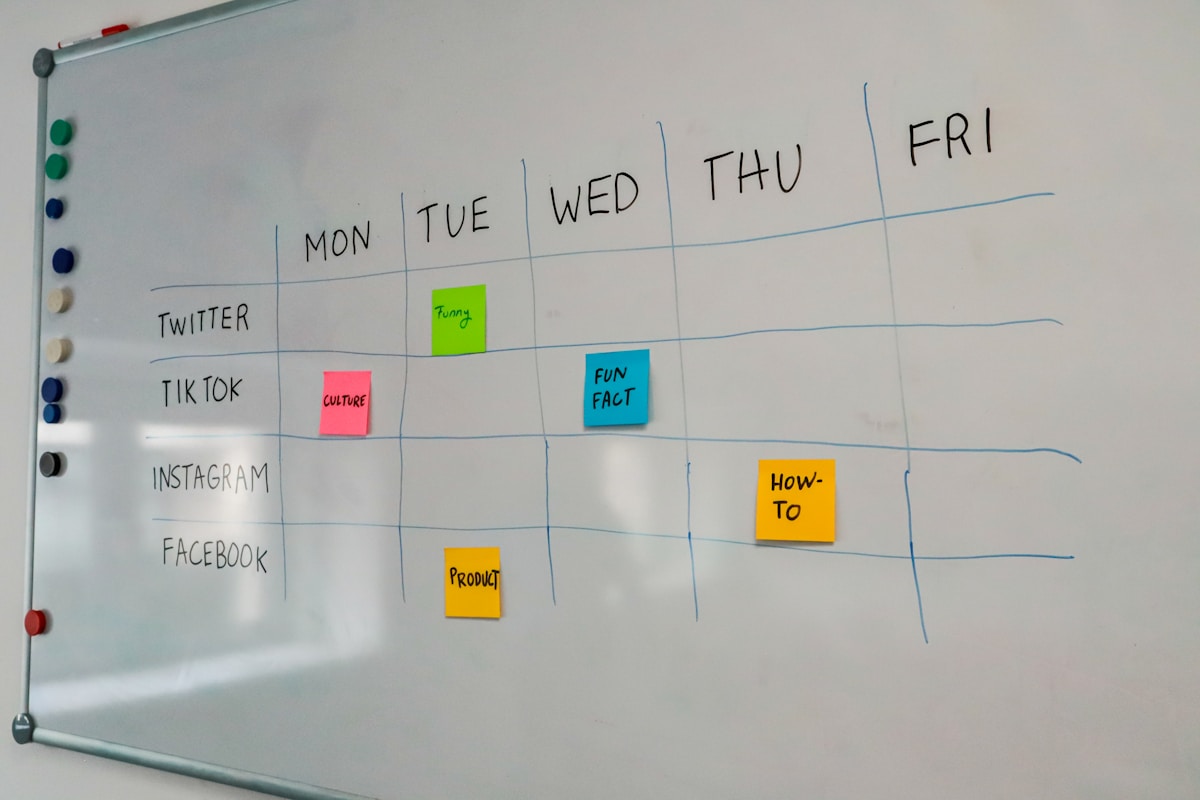
The fix: score every keyword on three dimensions simultaneously. While Search volume tells you potential reach.
Competitive difficulty tells you time-to-rank. Business value tells you whether the visitor will ever convert.
Product-aware queries, "best CRM for remote sales teams," "[your category] pricing comparison", score higher than informational searches like "what is a CRM." Calculate the effort-to-impact ratio: a keyword with 500 searches, low difficulty, and high intent beats a 5,000-search informational term that takes nine months to rank and converts nobody.
The Priority Matrix That Aligns SEO With Revenue
Since Build a simple two-axis grid: impact (business value × search volume) on the Y-axis, effort (competitive difficulty × content requirements) on the X-axis. High-impact, low-effort keywords become immediate targets, the quick wins that generate early revenue attribution and prove organic's ROI to stakeholders.
High-impact, high-effort terms are long-term authority plays: start them now, but don't expect conversions for six months. Whereas Low-impact keywords, regardless of effort, get deprioritized or skipped entirely.
Quick Wins Versus Long-Term Authority Plays
ScaleStack tip: Revisit your priority matrix quarterly. As your domain authority grows, yesterday's high-difficulty keyword becomes today's quick win, and search trends shift faster than most teams realize.
What Other SEO Agencies Won't Tell You About Keyword Analysis
Most agencies won't admit this: keyword density is theater. Thus, The 1, 2% rule they inherited from 2010 SEO playbooks measures nothing Google's algorithm actually uses.
Modern ranking systems parse topical relevance through entity recognition and semantic clusters, not word-frequency ratios. You could hit "perfect" density and still rank nowhere if your content misses the searcher's real question.
The dirty secret? Agencies cling to density metrics because they're easy to report in monthly dashboards, not because they move rankings.
Why Keyword Tools Overestimate Difficulty
Finally, Here's the mechanism most tools hide: difficulty scores aggregate domain authority and backlink counts across all ranking pages, then spit out a single number that treats your brand-new site like it's competing on equal footing. Wrong.
If you match search intent better than the current top-10, sharper answer, clearer structure, faster load, you can crack "hard" keywords in 90 days. Additionally, Tools see the fortress walls; they miss the unlocked side door.
The Untapped Goldmine in Customer Support Data
Your support tickets contain the exact phrases buyers use when they're 48 hours from a purchase decision. Questions like "how do I migrate from [competitor] without losing data" or "does this work with [specific tool]" surface commercial long-tail queries that Ahrefs and SEMrush never index.
Meanwhile, One SaaS team mined 200 support threads and built 30 FAQ pages that converted at 8% because the language matched real objections. Google Search Console then shows which of those pages already attract impressions, your actual ranking potential, not a tool's guess.
Common Mistakes That Sabotage Your Keyword Strategy
The SERP Intent Mismatch Nobody Sees Coming
You rank Page 2 for a 5,000-volume keyword, and conversions stay flat. The problem?
As a result, Google's first page shows comparison tables. You wrote a how-to guide.
Intent mismatch kills conversion before a visitor even clicks. On the other hand, Most teams check keyword difficulty and volume, then skip the critical step: manually reviewing the top 10 results to see what format Google rewards.
If SERPs show listicles and you publish a case study, you're fighting the algorithm's understanding of what that query deserves.
When Your DR Can't Support Your Ambitions
Chasing a keyword dominated by sites 50+ DR points above yours wastes months. A startup at DR 15 targeting "project management software" competes against Asana, Monday, and enterprise review sites in the 70, 90 range.
For example, The rank tracker shows position 47. Six months later: position 44.
Instead, SEO playbooks recommend filtering for keywords where the median ranking page sits within 20 DR points of your current authority, then building up through wins, backlinks, and content depth before attempting the next tier.
Frequently Asked Questions About Keyword Analysis SEO
Most founders refresh keyword analysis quarterly in competitive SaaS niches, biannually for stable verticals. Above all, The real trigger?
When Search Console shows impression drops above 15% month-over-month or when a competitor launches a content cluster targeting your core terms. New websites should hunt keywords with difficulty scores under 30 when domain rating sits below 40, but here's the trap most miss: a KD 25 keyword with zero commercial intent wastes more resources than a KD 45 term that converts at 8%.
Check CPC values above $3 and scan the SERP for product pages, not blog posts.
Nonetheless, Free tools cover foundational research, Google Keyword Planner, Search Console exports, and People Also Ask mining deliver the seed data. Paid tools access the competitive gap analysis and intent clustering that separates traffic from pipeline.
One page should target one primary keyword plus 3-5 semantically related secondary terms from the same topic cluster, not scattered phrases. Subsequently, The sequencing matters more than tool budget: new sites win with long-tail commercial queries first, then expand to short-tail authority terms as backlinks accumulate.
Focus on queries where the buying intent is explicit, comparison pages, integration searches, "[problem] solution for [ICP]" patterns, and ignore vanity volume that never converts.
Turn Keyword Analysis SEO Into Your Competitive Advantage
The difference between teams that scale organic traffic and those that stall isn't the tools they use, it's whether they treat keyword analysis seo as a living system or a one-time checklist.
Start with one bottom-funnel keyword this week. Map the search intent, validate demand with real conversion potential, and publish content that answers the query better than the current top-10 results.
However, Then do it again next week. And the week after.
The ScaleStack team helps B2B SaaS founders turn keyword research into systematic organic acquisition channels. Therefore, We publish playbooks on technical SEO, content velocity frameworks, and revenue-attributed growth strategies that work for early-stage teams without enterprise budgets.
Your competitors are already building topical authority while you're still debating which tool to buy. The best time to start was six months ago, the second best time is today.