Fine-tune content is content engineered to satisfy both search intent and buyer intent simultaneously, driving pipeline rather than vanity traffic.
- In 2026, Google's intent-matching systems penalize keyword-stuffed pages that answer the wrong question, even when technically 'on-topic.'
- B2B SaaS founders who align content to pipeline stages consistently outperform those who chase broad traffic volume.
- A repeatable optimized content framework reduces time to rank while compounding organic lead quality over time.
Most early-stage SaaS founders publish content for months and watch their traffic climb. Then they open their CRM and find nothing: not a demo request, not a trial signup, nothing.
The disconnect is structural. Traffic and pipeline are not the same goal, and optimized content that conflates them ends up serving neither.
While everyone chases rankings, the companies quietly winning organic traffic in 2026 are optimizing for a different signal entirely: qualified intent at the right stage of the buying journey.
The rules shifted because the search landscape changed. AI-generated noise flooded every category. This forced ranking systems to reward genuine depth, specific expertise, and content that demonstrably answers what a buyer actually needs. It does not reward what a keyword tool suggested.
What follows is the practical framework that separates content building real pipeline from content building spreadsheet vanity metrics.
The gist
- Volume without utility is now actively penalized by search engines.
- AI-generated overviews reduce click-through rates for thin informational content.
- Pipeline attribution, not raw traffic, is the metric that matters for SaaS founders.
- The shift from content quantity to content utility and uniqueness is the defining change of 2026.
- Technical SEO hygiene guarantee your optimized content can actually be crawled and indexed.
Why Most B2B SaaS Content Fails to Drive Revenue in 2026
That's not a minor correction.
That's a structural collapse of the 'publish more, rank more' playbook that has shaped B2B SaaS content strategy for years. Volume without utility is no longer neutral; it's a liability.
The traffic illusion, when pageviews don't become pipeline
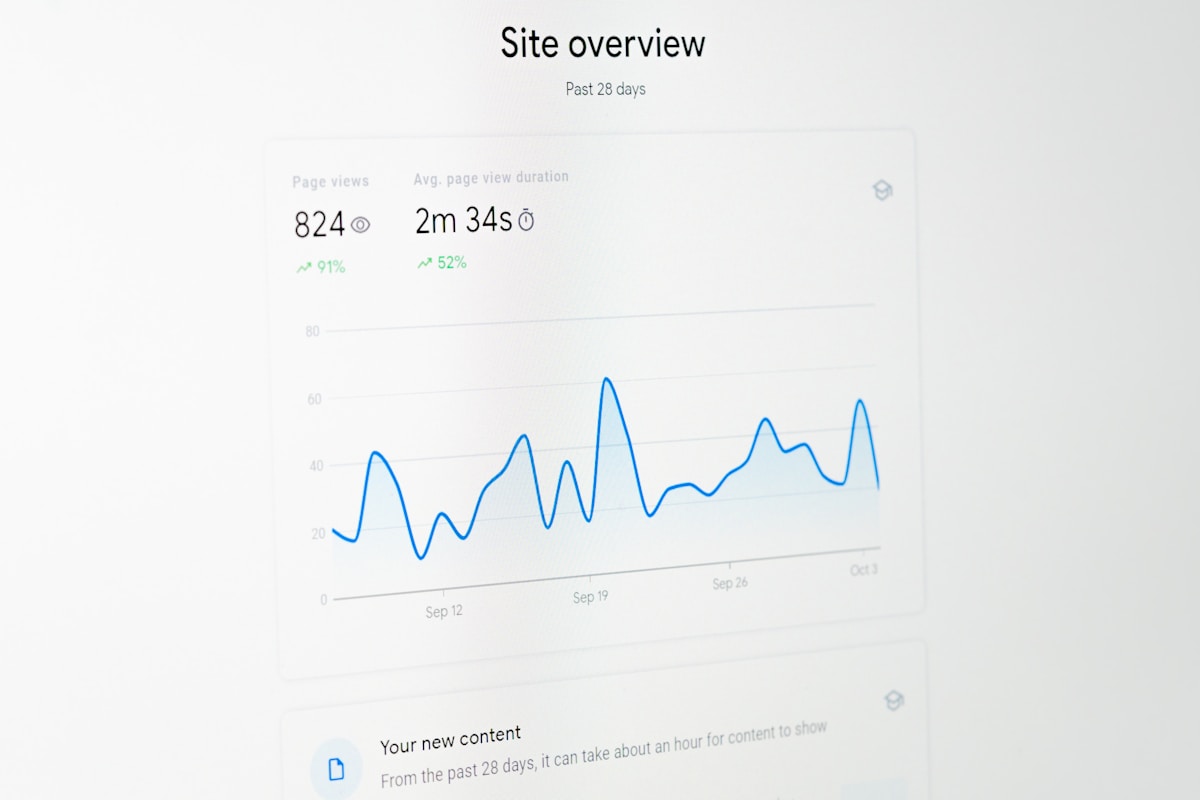
Raw traffic numbers feel reassuring until you map them against closed revenue. Most early-stage founders optimize for pageviews, bounce rates, and keyword rankings—metrics that tell you nothing about the pipeline.
A post ranking for a high-volume informational query may generate thousands of visits and zero qualified leads. Pipeline attribution, not traffic volume, is the metric that actually connects content investment to growth outcomes.
How Google and AI engines are reshaping content rankings
AI-generated search overviews now absorb the answers for thin informational queries, eliminating the click entirely. Content that simply summarizes what's already indexed gets bypassed before a user ever reaches your site.
The 2026 search environment rewards utility and uniqueness. It values proprietary data, original calculations, entity authority, and optimized content built around genuine buyer intent rather than keyword density.
The shift is clear.
That reallocation away from top-of-funnel volume reflects a hard-earned lesson: content that doesn't move buyers through a pipeline isn't an asset; it's overhead.
The 4 Pillars of Optimized Content for Early-Stage SaaS
Technical SEO hygiene ensures your optimized content can actually be crawled and indexed.
Expert consensus in 2026 has converged on a clear framework: four pillars that separate SaaS companies building real organic acquisition from those generating traffic that never converts. Miss any one of them, and the other three underperform.
The framework includes technical SEO hygiene: high-intent commercial content, programmatic SEO with unique data, and attribution tied to the pipeline rather than sessions.

Technical SEO hygiene, the foundation you can't skip
Your content strategy only works if search engines can actually reach your pages. Crawlability, indexation, Core Web Vitals, structured data, and internal linking architecture all determine whether your work surfaces or sits invisible.
A well-built content site with clean technical foundations consistently outranks a faster-published competitor with structural issues. No amount of quality writing can overcome a broken sitemap or orphaned pages.
High-intent commercial content, targeting buyers, not browsers
The current B2B SaaS consensus is unambiguous: build pipeline-tied organic acquisition, not traffic for its own sake. Priority pages are comparison, alternatives, pricing, features, integration, and use-case pages because they capture buyers at the decision stage.
These pages convert. Informational blog posts serve awareness, but they rarely close deals alone.
Programmatic SEO scales this reach systematically. Rather than publishing one-off pages, the discipline now works data-model-first. It defines the keyword pattern, builds a structured dataset with genuinely unique content slots, and then generates pages from a reusable template.
Thin template-only pages without proprietary data are actively being de-emphasized by search systems, so each page must earn its place with real utility.
The fourth pillar ties everything together. Attribution connected to the pipeline, not sessions, is what proves organic ROI to stakeholders and justifies budget allocation.
Without pipeline attribution, that spend is impossible to defend or scale intelligently.
How Programmatic SEO Works When It Actually Scales
The dataset comes first. Always.
Teams that skip straight to page generation end up with hundreds of near-identical URLs that Google treats as thin content, and the traffic erosion that follows is severe. The data-model-first approach means defining your keyword pattern, assembling structured product data, and then generating pages from a reusable template with unique content slots built in from the start.

Integration pages, use-case pages, and comparison pages are the three proven templates.
Three page types consistently outperform everything else in B2B SaaS programmatic builds. Integration pages follow the pattern 'How to connect [Tool A] with [Product]' and pull directly from structured product data, including setup steps, use cases, FAQs, and troubleshooting content.
Use-case pages combine product capability data with specific outcomes for a defined industry or team, adding relevant FAQs that address workflow-level questions. Comparison pages round out the set, targeting high-intent buyers already evaluating alternatives.
Each template works because it reuses the same underlying dataset while generating genuinely distinct page content. Understanding the basics of content writing makes the difference between templates that rank and templates that stall.
From pilot to scale, the dataset-first production approach
Launch small. A pilot of roughly 100 pages lets you inspect indexation rates and engagement signals before committing to a full build.
Only after that checkpoint should you scale, with the recommended range sitting between 100 and 5,000 pages depending on your data model and niche demand. Skipping the pilot is where most teams make a costly mistake.
Practical content specs matter here. Each page needs 300 or more words of unique content and at least 3 distinct data points.
Without those minimums, you are producing content that is optimized in name only. This is a critical issue. The pages that survived 2026's quality updates shared one trait: proprietary data blocks that competitors could not replicate.
- Define the keyword pattern before building any templates.
- Assemble a structured dataset with unique data points per entity.
- Launch a pilot, check indexation, then scale production.
- Include use-case-specific FAQs on every page.
ScaleStack tip: Before scaling beyond your pilot batch, audit at least 10 pages manually for indexation status and average engagement time. If either metric underperforms, fix the template before multiplying the problem across thousands of URLs.
What Other SaaS Content Playbooks Won't Tell You
Most vendor-authored playbooks share the same skeleton: pick high-intent keywords, build topic clusters, and publish consistently. What they quietly skip is the part that actually determines whether your optimized content compounds or stagnates over time.

The proprietary data advantage most founders ignore
Proprietary data (your own screenshots, benchmarks, calculations, real usage examples) is the single hardest asset for competitors to replicate. Search systems increasingly reward pages that contain genuinely unique content blocks rather than repackaged industry knowledge.
A page built around your product's actual data signals something no template can fake: firsthand authority. Most early-stage founders skip this entirely because it feels slow.
It isn't. It's the moat that makes your seo content defensible at scale.
Entity authority, the ranking signal no one talks about enough
Entity authority isn't built by optimizing individual pages in isolation. It accumulates through consistent topic clustering and deliberate internal linking across your entire content architecture.
Search engines build a topical map of your domain, and every page you publish either reinforces or dilutes that map. The implication is direct: publishing broadly across loosely related topics early on actively works against you.
Two failure modes worth naming explicitly:
- Launching programmatic SEO at scale before validating indexation on a small pilot set; most collapses happen here, not at the template level.
- Copying competitor content gaps without a distinct angle produces near-duplicate pages that rank nowhere because they offer nothing the existing results don't already cover.
The 2026 consensus is clear: content volume without utility is a liability. Depth, uniqueness, and topical coherence are what move the pipeline, not page count.
How to Build a Content Velocity Engine Without a Big Team
Speed without standards is how early-stage founders end up with a content graveyard. The real capitalize on point isn't publishing more; it's building a repeatable system where every piece of optimized content serves a defined intent, hits a quality gate, and maps to a stage in the buyer journey.
Bottom-of-funnel commercial pages first, informational volume later. That sequencing alone separates teams that generate pipeline from teams that generate traffic reports.

Choosing the right content formats for your growth stage
At the earliest stage, three formats consistently deliver the highest return per hour invested. Comparison pages target buyers already evaluating solutions.
Use-case pages capture intent from prospects searching for a specific workflow fix. Integration or alternative pages intercept demand that already exists.
These formats require depth and unique data, not volume. A single well-researched comparison page outperforms a dozen thin blog posts in both rankings and conversion.
Automating content production while keeping quality gates in place
Automation earns its place when the data model is clean first. According to 2026 programmatic SEO playbooks, the right sequence is to test with 100 to 500 structured rows before scaling and to build templates only after each content slot carries genuinely unique information.
Thin template-only pages are actively being de-emphasized by search systems in 2026.
Playbooks are the connective tissue. For SEO and marketing content to compound over time, founders need documented workflows that any contractor or tool can execute without reinventing the brief.
ScaleStack's content automation playbooks are built specifically for this constraint, giving early-stage B2B SaaS teams the repeatable systems to move fast without sacrificing the quality gates that protect rankings.
How to Measure Whether Your Optimized Content Is Actually Working
Traffic is the metric that feels safe to report. It goes up, and everyone nods.
The real question of whether that organic traffic is generating demo requests, trial signups, or closed pipeline gets ignored until a board meeting forces the conversation. According to the 2026 SaaS SEO consensus, the benchmark has shifted: organic pages are judged by whether they create qualified leads and revenue-attributed pipeline, not session volume.
From session data to pipeline attribution, metrics that matter
Track organic-sourced conversions by landing page, not just channel totals. A comparison page driving 40 demo requests beats a blog post pulling 4,000 sessions with zero conversions.
Use both first-touch and last-touch attribution models: first-touch tells you which content introduced the buyer, while last-touch shows what closed them. Together, they reveal content's full role across the buyer journey. This is something a single model always obscures.
Practical reporting frameworks for SaaS founders without a data team
- Monthly: check indexed pages, engagement rates, and assisted conversions in Search Console and your CRM.
- Quarterly: audit which landing pages generated demo requests or trial signups, and cut or refresh underperformers.
- Ongoing: tag organic landing page sessions in your CRM so pipeline can be traced back to specific content pieces.
ScaleStack tip: Connect your Google Search Console data to your CRM with a simple UTM tagging convention. Even a spreadsheet mapping organic landing pages to pipeline stages gives you more actionable signals than any traffic dashboard alone.
Frequently Asked Questions
What is optimized content and how is it different from regular SEO content?
Regular SEO content targets keywords. Optimized content targets intent, topical authority, and a specific stage of the buyer journey, all at once.
The practical difference shows up in results: keyword-stuffed articles plateau quickly, while genuinely optimized pieces compound over time because they satisfy both search engines and the humans making purchasing decisions.
How many pages should an early-stage SaaS company produce for programmatic SEO?
Fewer than most guides suggest. In practice, launching 50 to 150 high-quality programmatic pages around a tightly defined template outperforms dumping 5,000 thin pages into a crawl budget that Google has no reason to respect.
The real lever is template quality, not volume. One well-structured template that genuinely answers a specific ICP query at scale will outrank a bloated library of near-duplicate pages within months.
Start narrow, validate ranking signals, then expand.
How do I attribute revenue to organic content without a dedicated data team?
Start with what you already have: UTM parameters on every CTA, a consistent first-touch and last-touch column in your CRM, and a weekly habit of filtering closed-won deals by original source.
No data team is required. Tools like HubSpot or even a well-maintained spreadsheet can surface which content pieces appear in the deal history of your best customers.
That pattern is your attribution model.
What makes content unique enough to rank in 2026?
Originality now means something specific to Google's systems: first-hand perspective, demonstrable product expertise, and information a reader cannot find in the next ten results. Paraphrasing existing top-ten content is no longer a viable strategy; the model has read all of it.
What actually differentiates a page today is a proprietary angle: your product data, your customer patterns, your founder-level insight into the problem. According to Google's helpful content guidance, ranking systems are explicitly designed to surface content created for people first, with genuine expertise behind it.
How long does it take for optimized content to generate pipeline results?
The honest answer is three to six months before you see consistent organic traffic, and another one to two months before that traffic converts into qualified pipeline. Compressing that timeline is possible, but it requires strong topical authority from day one, not scattered posts across unrelated themes.
I've seen early-stage SaaS teams cut this to four months by focusing exclusively on bottom-of-funnel comparison and use-case pages first, then building upward into broader educational content. The findings from research from Ahrefs on SEO timelines broadly confirm this sequencing logic.
Patience matters, but so does starting with the pages closest to a purchase decision.
Optimized Content in 2026 Comes Down to One Uncomfortable Truth
The companies that win organic search aren't publishing more; they're publishing content that does something competitors can't easily copy.
That's the utility-plus-uniqueness principle in practice. Build around it, and the four-pillar framework stops being a checklist and starts being a compounding asset.
Your next move is concrete: pick one pillar where your current content is weakest (whether that's technical foundations, programmatic scale, topical authority, or revenue attribution) and fix that single layer before touching anything else.
ScaleStack's playbooks are built specifically for early-stage B2B SaaS founders who need an organic acquisition channel without a dedicated content team. Each playbook covers one problem, one system, and one repeatable process—no fluff, no theory.
Head to ScaleStack and grab the playbook that matches your current bottleneck. One focused system, applied consistently, is what separates the SaaS teams building durable organic growth from the ones still guessing.
The gap between those two groups is closing fast, but it's still open.